
Investing in Resilience: Why Physical Climate Risk Must Be a Financial Priority for UK Real Estate
Climate Risk Is Financial Risk
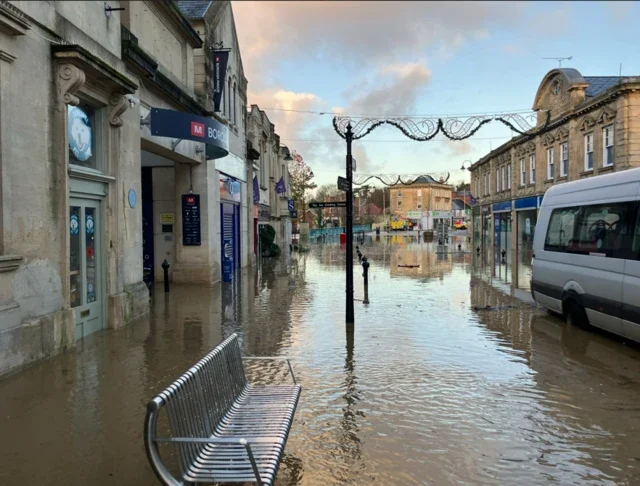
Climate-related hazards are reshaping the UK property market. From flash floods in Manchester to heatwaves in London, the financial implications for commercial real estate (CRE) are undeniable. The Environment Agency warns that without significant investment in flood defences, annual flood damage costs in England could reach £1 billion by 2050. For property owners and investors, this means resilience is no longer optional. It’s a strategic imperative.
The UK Risk Landscape
Flooding: Coastal and river-adjacent properties face rising sea levels and heavier rainfall. Urban drainage systems often fail under extreme precipitation.
Heatwaves: UK summers could be up to 6°C hotter by 2070, increasing cooling costs and tenant discomfort.
Regulatory Pressure: Compliance with Minimum Energy Efficiency Standards (MEES) and the upcoming Future Homes and Buildings Standard adds complexity to asset management.
These hazards translate into financial risk—impacting valuations, insurance premiums, and even access to capital. JLL reports that 94% of UK investors are actively implementing or considering climate risk mitigation within their portfolios.
The Business Case for Resilience
Resilience is not just about avoiding damage. It’s about protecting and enhancing asset value. Consider this: a £200k investment in flood barriers can reduce projected losses by millions over a decade. Similar principles apply in the UK, where:
Insurance premiums are rising sharply, up 19% in flood-prone areas in 2024.
Uninsurability is a growing concern for high-risk assets, making resilience measures a prerequisite for coverage and financing.
Lenders are integrating climate risk into credit decisions, with the Bank of England’s PRA proposing higher capital requirements for loans to climate-exposed assets.
Value Drivers for UK CRE
Capital Expenditure Protection: Investing now can avoid costly retrofits as building codes tighten.
Operating Expense Control: Enhanced resilience can reduce insurance costs and maintenance outlays.
Revenue Stability: Resilient assets maintain tenant comfort and operational continuity, mitigating reputational risk.
Access to Capital: Climate risk is becoming the “sixth C” in credit assessments, and adaptation boosts financing prospects.
Action Steps for UK Property Owners
Conduct Physical Climate Risk Assessments: Use forward-looking models, not historical data.
Integrate Resilience into Design & Retrofit: Flood barriers, passive cooling, and sustainable drainage systems (SuDS) are key.
Engage with Insurers & Lenders Early: Demonstrating resilience can unlock better terms and lower premiums.
Stay Ahead of Regulation: Align with MEES, Future Homes Standard, and biodiversity net gain requirements.
Closing Insight
Climate risk is financial risk. For UK real estate, resilience is no longer optional—it’s a strategic imperative. By quantifying both the cost of action and inaction, owners can make informed decisions that safeguard asset value and create long-term advantage.
Ready to future-proof your portfolio?
Kintera helps UK property owners and investors assess physical climate risk and develop actionable resilience strategies. https://www.kintera.co.uk/contact to start building climate-ready assets.