

Depaving: Why Breaking Up Hard Surfaces Matters for UK Properties
As building surveyors and property professionals, we understand the long-term implications of site design, drainage, ground conditions, and flood risk. One simple but increasingly important strategy often overlooked in traditional surveying is depaving, which means removing unnecessary hard paving such as concrete, tarmac, or slabs and replacing it with permeable surfaces, soil, and greenery. Depaving offers tangible benefits for climate resilience, storm-water management, and the long-term value of built assets.
What is Depaving
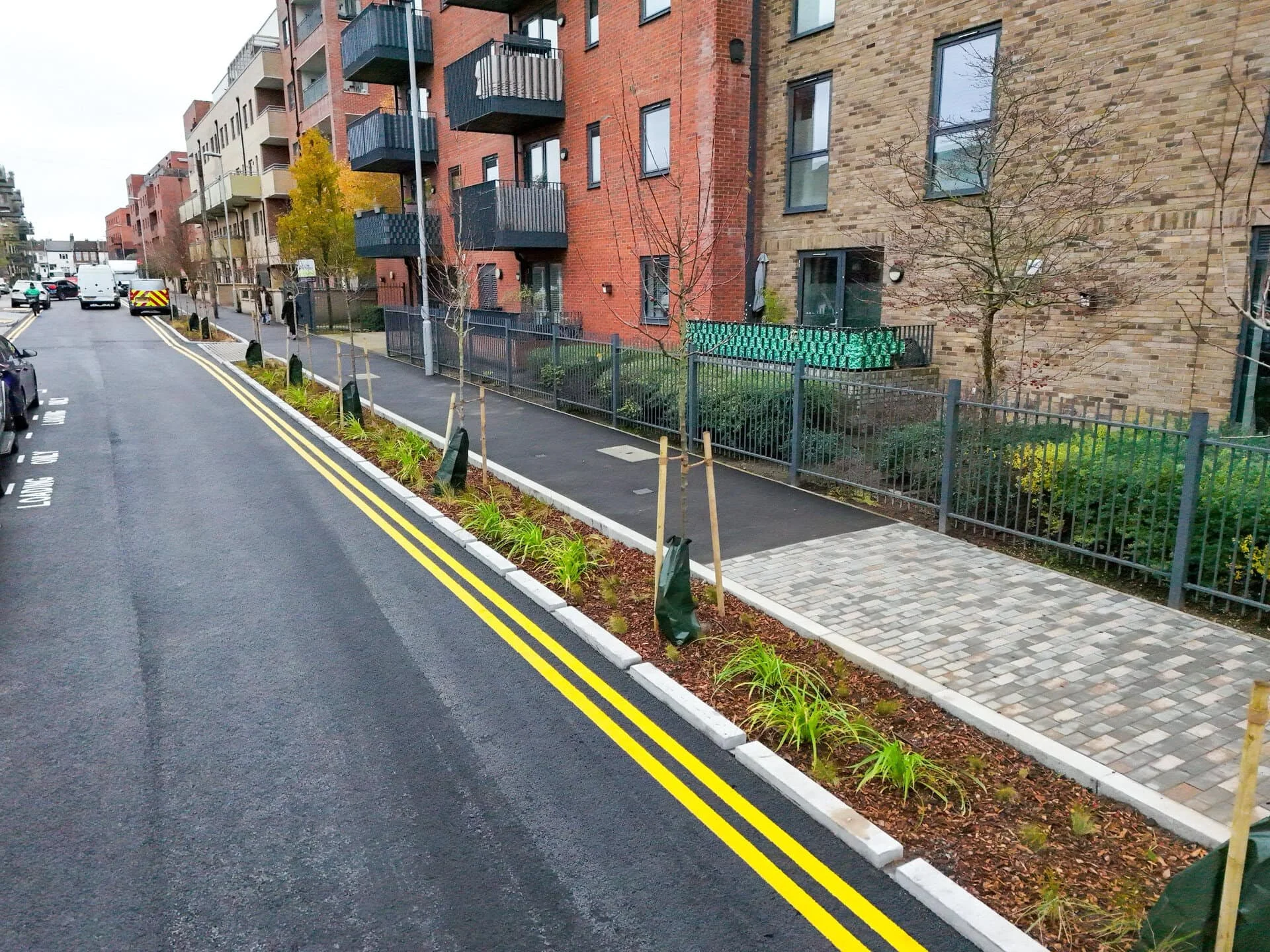
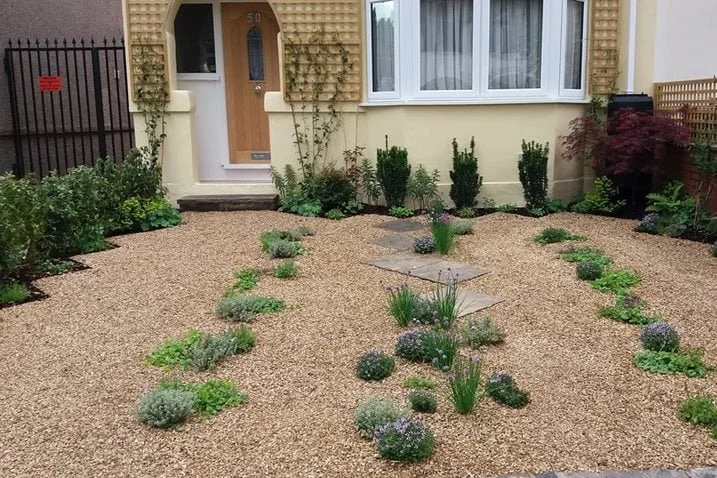
Depaving, also known as desealing, means removing impermeable surfaces such as driveways, paved gardens, or redundant car-parking areas and converting them into permeable, natural, or semi-natural surfaces such as soil, gravel, grass, planted beds, or rain gardens.
While paving and tarmac are often convenient for parking, access, or maintenance, they block rainwater from soaking naturally into the ground. Depaving restores the soil's ability to absorb, filter, and slowly release water. This is increasingly valuable as we face more frequent and intense rainfall.
In the UK context, especially for older properties or suburban areas, depaving often involves revisiting front gardens converted to driveways, under-used private parking areas, or redundant communal car parks within estates. It is part of a wider effort to “green the grey” and enhance local environmental resilience.
Why Depaving Matters for Surveyors, Developers, and Homeowners
1. Improved surface water and flood risk management
Impermeable surfaces force rainwater into drains and sewers, which can become overwhelmed during heavy rainfall and lead to flooding and overflow. Replacing hard surfaces with permeable ground reduces runoff, alleviates pressure on drainage systems, and helps recharge groundwater.
2. Mitigating urban heat and improving local microclimate
Hard surfaces such as concrete and tarmac absorb and retain heat, contributing to the urban heat island effect. Depaving and replacing these surfaces with soil, vegetation, and greenery can help cool local surroundings, improve air quality, and reduce energy demand for cooling.
3. Enhancing biodiversity, amenity, and community value
Greening formerly paved areas opens up opportunities for rain gardens, planted beds, small wildlife habitats, or community gardens. This improves urban biodiversity and transforms under-used spaces into pleasant and usable environments.
4. Long-term risk reduction and asset resilience
Surveyors advising clients or developers should consider depaving when inspecting properties with large paved areas, especially on land that was originally soil. Re-permeabilising these areas can reduce future water-related risks such as subsidence, drainage overload, or external flooding. This can save maintenance costs and improve longevity.
5. Aligning with Sustainable Urban Drainage Systems and climate resilience goals
Depaving fits into broader frameworks of sustainable urban drainage systems (SuDS) and climate-resilient design. Incorporating permeable surfaces or rain-absorbing landscaping contributes to water management and sustainable urban development.
What This Means for UK Building Surveyors and Developers
When assessing properties, note if extensive hard surfacing exists in front or back gardens, driveways, or redundant paved spaces. Hard surfaces may affect water runoff and limit long-term flexibility for landscaping or sustainable drainage. Recommending partial or full depaving or replacing with permeable alternatives could add value, especially in flood-prone regions.
For new developments or renovations, consider integrating permeable driveways, rain gardens, or green landscaping from the start. This helps manage storm-water on site, reduces load on drainage infrastructure, and supports sustainability credentials.
For clients considering hard-standing installations, weigh short-term convenience against long-term environmental and climate resilience. Permeable surfacing or alternative layouts may be a better option.
For communal residential estates or brownfield sites, underused paved areas may be repurposed into communal green space, gardens, or sustainable drainage zones, improving amenity value, environmental performance, and resident wellbeing.
Implementation Considerations
Identify surfaces that are unnecessary or under-used, such as garden slabs, redundant parking bays, or over-large driveways.
Evaluate soil type, drainage conditions, and site history, as some surfaces may overlay previous natural ground.
Plan for replacing paving with permeable materials such as soil, gravel, grass, or planting, or install features like rain gardens or soakaways.
Consider maintenance and property use. Permeable surfacing does not prevent practical use but may require alternative design.
Advise clients on planning and regulation implications. In the UK, some local authorities regulate driveway and paving materials, especially non-permeable surfaces, for flood risk and environmental reasons.
Conclusion
Depaving is not just a nice-to-have. For surveyors, developers, and homeowners operating in a changing climate, it is a practical, low-cost, and high-impact strategy to improve flood resilience, environmental performance, and amenity of properties.
At Kintera, incorporating depaving or recommending permeable landscaping alternatives into our assessments and design advice can help future-proof properties. This reduces risk, enhances value, and contributes positively to climate resilience and sustainable urban living.